
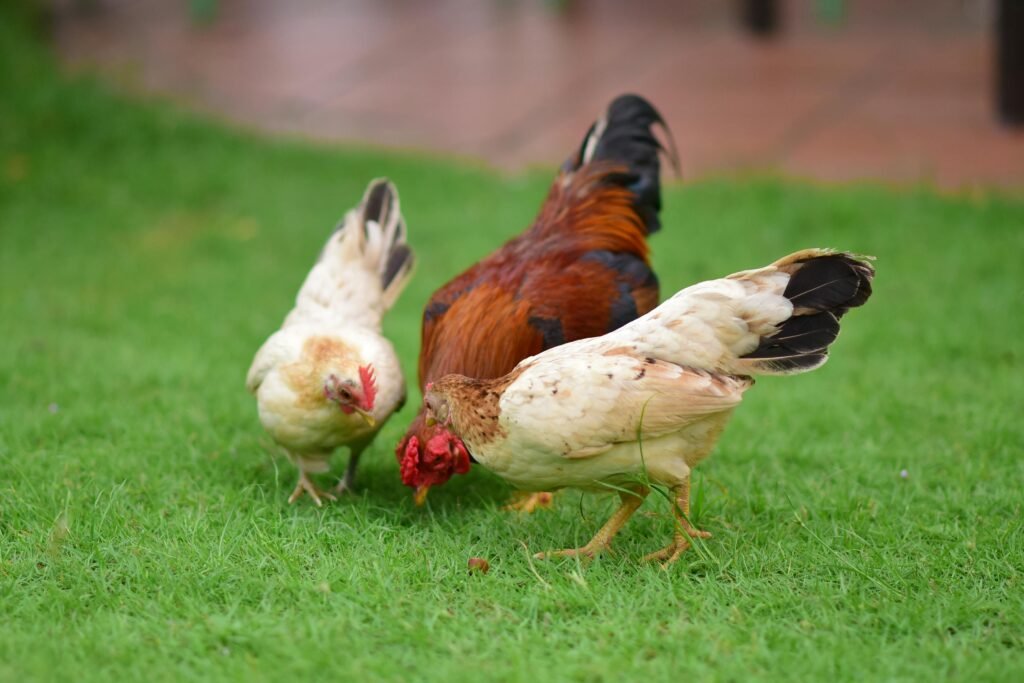
Keeping chickens is one of the most rewarding hobbies, so I thought I would share a guide to backyard chicken keeping. There is a lot of enjoyment in getting to know your chickens as you spend time with them. And let’s not forget to mention how magical that very first laid egg is. It is so rewarding to go out every day and collect the eggs that your own hens just laid.
There is a some required preparation before you get your chicks, which will make raising them into happy and healthy chickens possible.
What Chicken Breed Is Best?
My personal answer is all of them, ha-ha. But seriously, is there a breed that’s best? Not necessarily. Some things you want to consider are how many eggs per year does the breed lay? Some breeds, like Golden Comets and Leghorns can lay 280-300 eggs per year, while others like the Rhode Island Red lay 200-250 eggs per year (although this number varies depending on the hatchery you get them from).
You should also consider what is the temperament of the breed, docile or aggressive? Some breeds like Brahmas, Old English Game Hens, and Sumatras are known to be a bit more on the aggressive side. But Salmon Favorelles, Orpingtons, and Delawares can be pretty docile. With that in mind you might not want to raise a Salmon Favorelle with a Brahma because the Brahma is likely to bully the Salmon Favorelle. It is better to keep docile breeds with other docile breeds to keep things balanced, peaceful, and cohesive.
Just as important to consider, what climate is the breed best suited for? Some breeds, like a Blue Andalusian, do better in warmer climates and cannot handle the cold very well. Whereas fluffier breeds like Plymouth rocks, Wyandottes, and Orpingtons are very cold climate hardy, but may require supplemental cooling methods like fans and extra shaded areas in the hot summer months. So take the time to research the breeds you want to see that you’re getting the ones best for you.
How Many Chickens Should I Get?
That depends on how many eggs you want to collect each day. During the spring and summer months your hens could be laying eggs almost every day. If you have 10 chickens, you could see almost a dozen eggs per day. Do you have a plan for collecting 6-7 dozen eggs per week?
Let me stop here and introduce you to “chicken math.” Chicken math is very real! You may say that you’re going to only get 8 chickens, which is what we said when we decided on getting chickens. But the store says there is a minimum requirement for purchase. Since they don’t have all the breeds you were hoping for, you buy some of what they have. Next week they DO have the breed you wanted, so you go back and get it, but there’s that minimum requirement, and you say okay, because you don’t mind having 12 chickens instead of 8. And you find yourself coming home with 8 more chicks because now you’re happy you have green eggers, brown eggers and blue eggers. Now you have 16 chicks. That’s chicken math.
How Much Space Do Chickens Need?
Since chicken math is real, you should build your coop bigger than you think you need, because overcrowding can cause some serious health and behavioral problems. The chicken coop is your chickens’ house; this is where they go during rain, at night to sleep, and sometimes to escape predators. On average, a coop should have about a minimum of 3 – 4 square feet per chicken. However, it’s important to consider the chicken breeds you will own. Larger chicken breeds like Brahmas and Jersey Giants should be provided 8 square feet of coop space. Also, if you plan to have a rooster, make sure to add more room, since rooster are bigger than hens. It’s not necessary to build the coop too big though, especially if you live in a colder climate area because a larger coop is harder to keep warm in the winter. The chickens’ body heat is usually sufficient to keep themselves warm inside the coop.Their outside run should be 8-10 square feet if they’re going to be in an enclosed run.
What Does A Coop Need?
Ventilation
Ample ventilation at the top is a must to let the moisture evaporate out. Especially during freezing temperatures. Dry, dry, dry, is the goal. Moisture will cause frostbite on your chickens’ combs, wattles, and toes. Try to get the ventilation high enough so there won’t be a breeze directly on them while they are inside perched.
Remember to use ¼ inch hardware cloth over any openings to keep rodents and predators out of the coop.
Perch Bars
Chickens instinctively go up at night to sleep. For safety they do not sleep on the ground. The best kind of perch bar is a 2×4 boards, with the 4 inch (wide side) facing up. This is best for their feet. If you were to use a round dowl rod or branch, their toes will curl around the rod away from their body, leaving them exposed, rather than tucked safely under their breast. This is especially important in the winter to help keep their toes warm.
Bonus tip: Using U-shaped brackets will make the perch bar easily removable for cleaning, repairs and maintenance.
Nest Boxes
Nest boxes should be located below the perch bars. Chickens like to “go up” to sleep at night, so the perch bars need to be higher than the nest boxes, or else the chickens might start sleeping in the nest boxes. The problem with that is the amount of poop that they expel while they’re sleeping. All of it will get stuck in their feathers leaving them prone to fly-strike and other illnesses. It also makes the eggs very dirty and unsanitary.
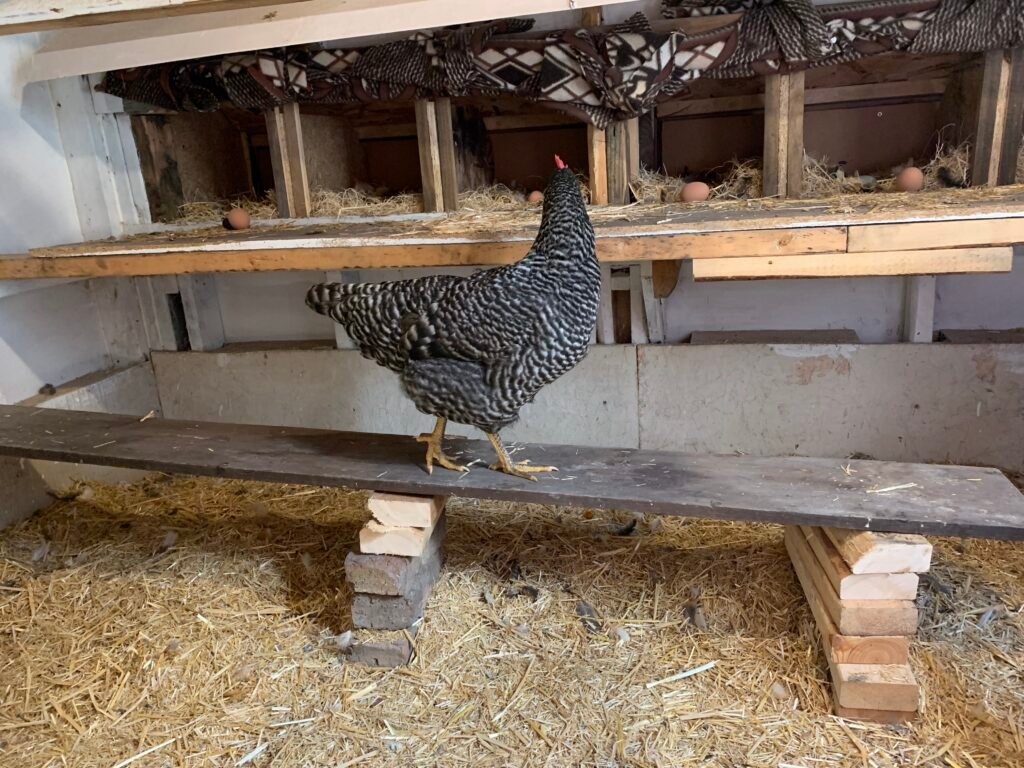
A perfect nest box size for a standard size hen is typically 12 inches in height, width and length. This size is cozy for them. It helps to keep a short curtain valance across the top for the hen to feel safe and snuggly, although it’s not a “must”. I’ve seen hens lay eggs just about anywhere. And if you have young pullets that are just beginning to lay their first egg, it really helps to place some fake eggs in the nest boxes for a while. It shows them where to lay eggs. Hens have a tendency to lay their eggs with everyone else’s egg. She probably thinks it’s a safe place if everyone else laid their egg there.
Bedding
This can be a widely debated discussion, as there are several types of material that can be used. I personally prefer pine shavings.
Pine shavings are good at absorbing moisture and keeping the floor dry. And less likely to be eaten by the chickens.
Hemp is a great option, and is usually low on dust, which is good for the chicken’s little lungs. It does a good job keeping the floor dry and the air odorless. But hemp bedding is expensive.
Washed “coarse grain” or “construction sand” is easy for daily cleanup. Using a cat litter box scooper makes it easy to sift out the clumps of chicken poop. Important to note: Do not use fine sand or playground sand. The fine grains can get into the chickens’ lungs or if eaten will cause impaction in their crops. Sand tends to hold moisture, which is not ideal if you live in a cold wintery area where temperatures drop down to or below freezing. Moist ground can lead to frost bite on the chickens’ feet.
Hay and straw. While these two are generally safe, be aware that sometimes chickens eat these and suffer impacted crop. This happened in my flock with two hens. The first year we had chickens we put out hay and straw in the winter to keep their feet off the cold ground. We didn’t have any issues that year. But the following year our chickens were eating the straw and hay, and two of my hens had impacted crop. Another problem with using hay or straw is that this material is easier for various lice and mites to hide and breed, leading to an infestation.
Proper Diet and Its Importance
Baby chicks.
Baby chicks should be eating feed formulated for babies. It is usually labeled grower feed, starter feed, or chick feed. This feed does not have the high amount of calcium that adult feed has because baby chicks are not laying eggs yet, and don’t require that much calcium. It does have more protein, typically 18%-20% to nourish their developing bodies and growing feathers. Feeding adult feed to babies can cause kidney damage.
Adult hens.
Adult hens should be eating “layer feed”. A quality layer feed will have 3.5%-4.5% calcium. After the pullet (a young female hen) reaches 5 months old (or older, depending on the breed) they will start laying eggs. At this time, you need to switch to adult “layer feed.” You don’t have to throw away your remaining chick feed. Just start incorporating in the layer feed and cycle the baby feed out. Now is also the time to put out a bowl of “oyster shells” and keep it next to their food. Oyster shells is an excellent source of calcium for chickens. Calcium helps their bodies to form the hard shell on the eggs and helps their muscles with contractions to push the egg out. Chickens have an amazing instinct to eat the oyster shells to get the extra calcium they need.
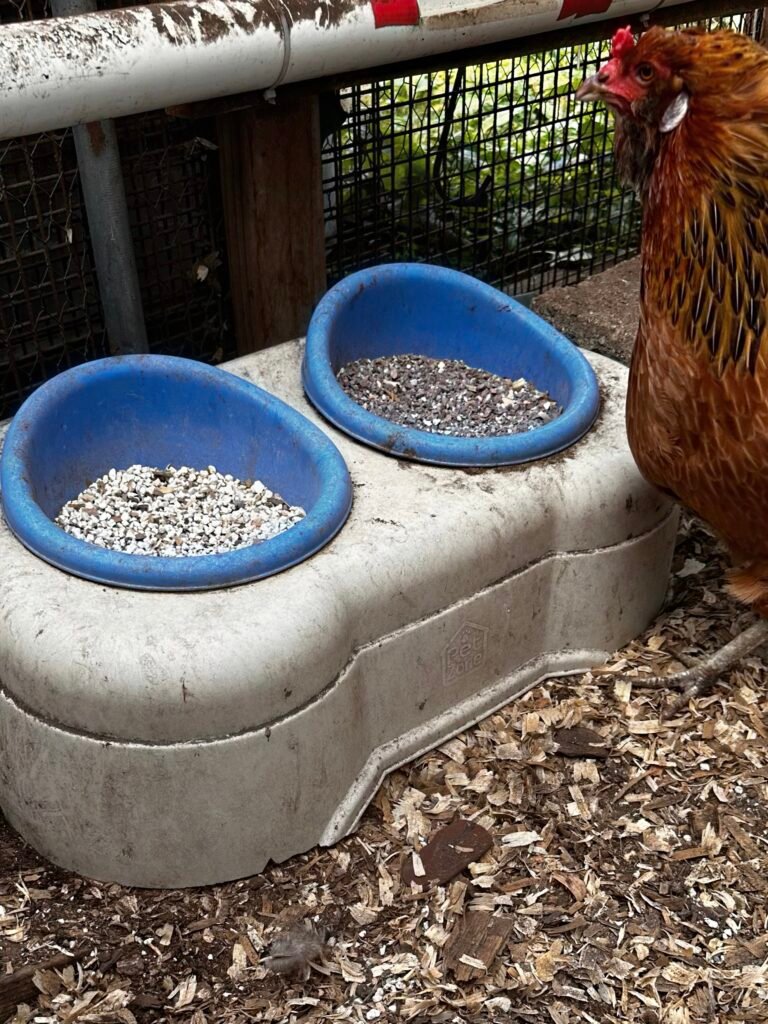
Water is a must. Chickens are messy, so check their water often to ensure it’s clean. A heated waterer might be necessary in the winter months to keep their water from freezing.
Enrichment and Boredom Busters.
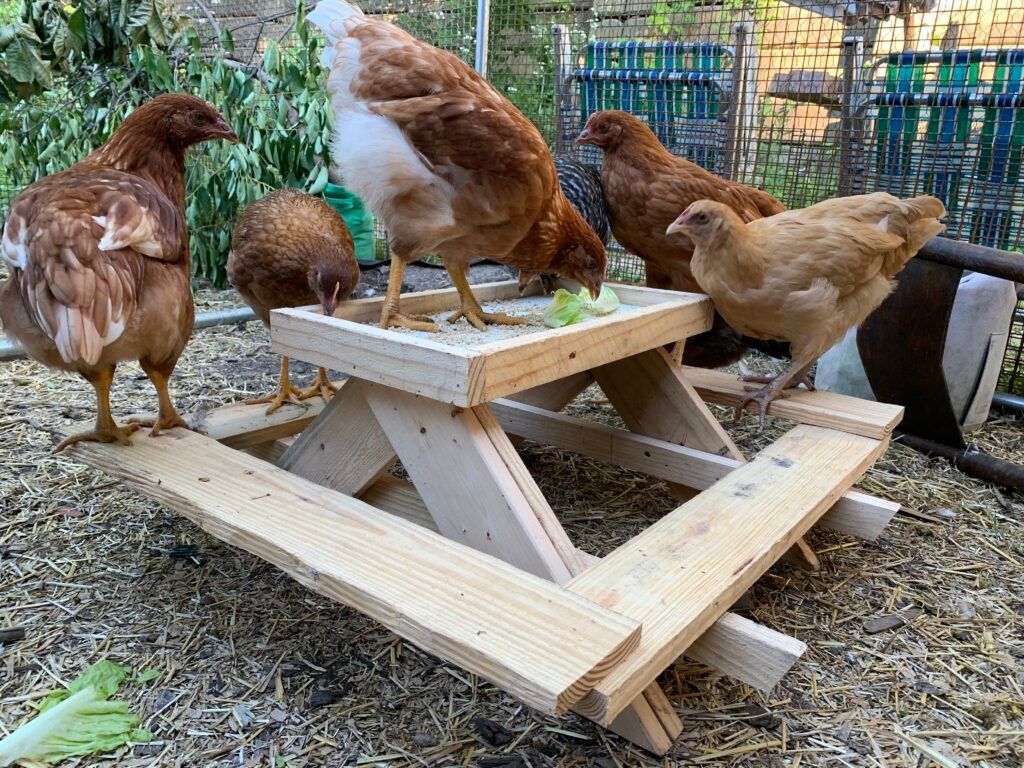
Chickens are curious by nature and actively look for things to do. They love to dig, scratch around and peck at things. They will love pecking at a cabbage hanging from a string (cabbage tether ball). My husband puts several apples onto a stake and spears it vertically into the ground for the chickens to peck at. He also built a miniature picnic table with a wire-spring on the top to hold leafy greens in place for the chickens to eat.
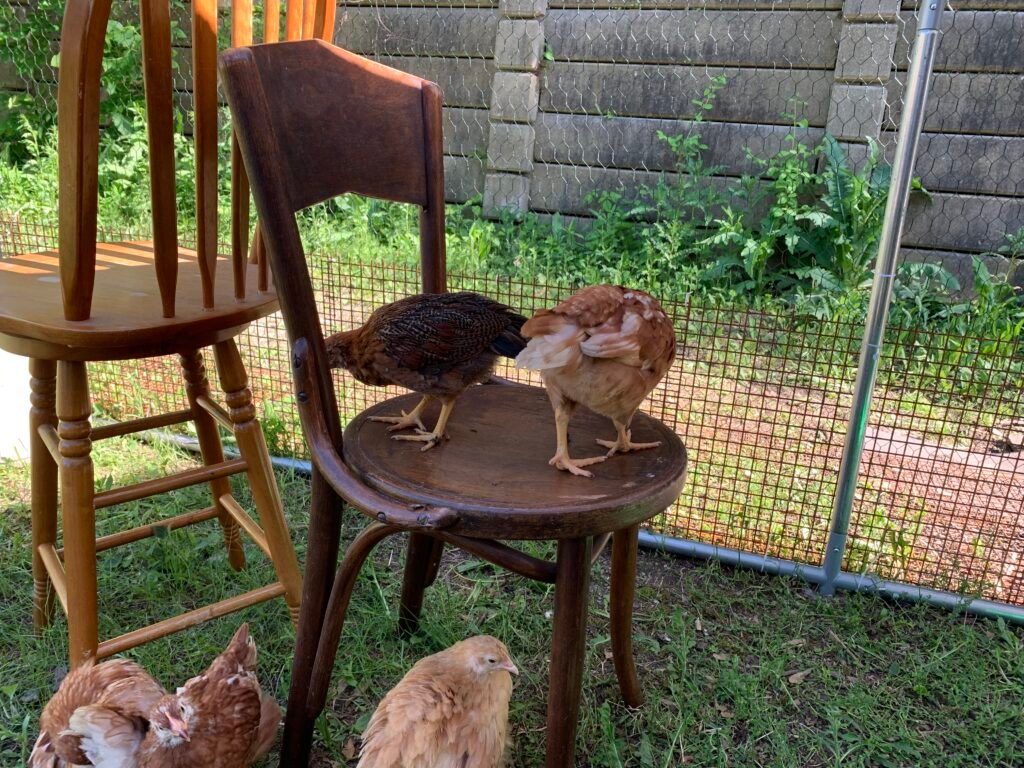
Hopefully this helps you get started with chicken keeping. Having chickens is so much fun and very rewarding in so many ways. Each chicken has their own personality, much like dogs do. Chickens can easily earn a place in your heart. Do as much research as you can to learn the best ways to keep them healthy and safe. Many people lose a chicken do to preventable illness, and it is so heartbreaking when you do lose one.
Please feel free to download the checklist I made to help remind my husband of the things that I routinely do to keep our flock healthy. I made it with love!
I would love to help answer any questions, so post them below!
Happy chicken keeping!