
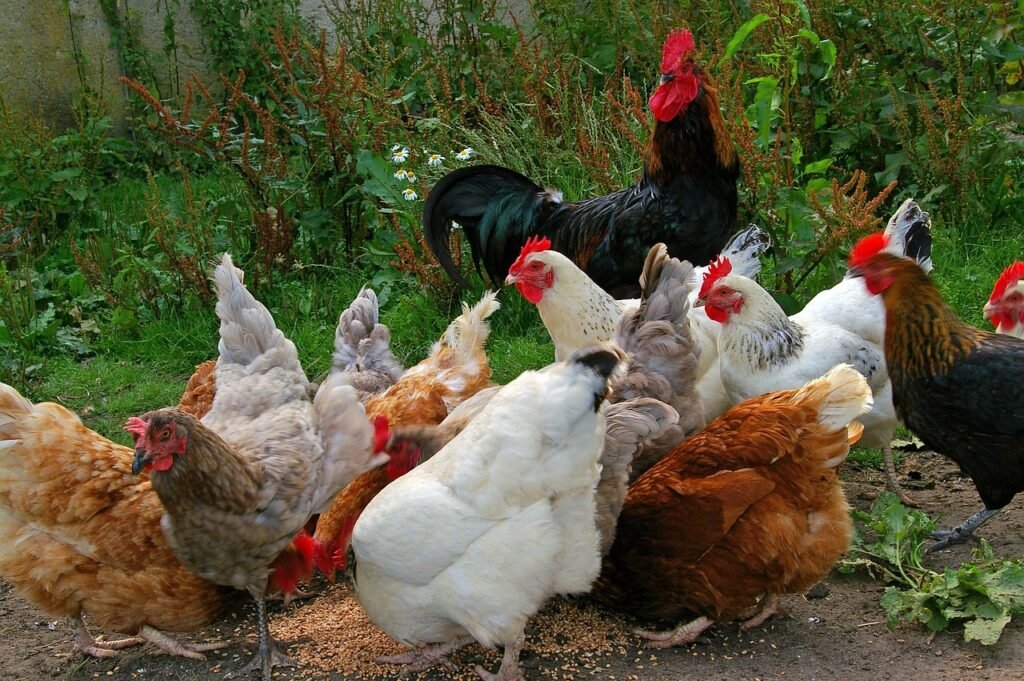
It’s a lot of fun feeding chickens. They get excited to see you coming with treats in your hands. And hand feeding your chickens is a great way to bond with them. They learn to trust you while depending on you to bring food. My chickens follow me around closely hoping I’m heading for the food cabinet. Before long, your chickens will be running to you when they see you hoping you’re bringing something good to eat. But have you researched the nutritional requirements for baby and adult chickens? I have and I’m happy to share what I’ve learned.
So, if you’re new to chicken keeping, an important question to ask is what the nutritional requirements for chickens are. Some people believe that combining ingredients and making their own chicken feed is better and cheaper. The cost may or may not be cheaper. But the downside to feeding your chickens a mix of your own ingredients is malnutrition. Chickens are like children; they pick out the pieces they like and leave the rest. The purpose of mixing the ingredients together is to make sure they get proper nutrition, but the chickens don’t see it that way. They just eat what they like. Therefore, feeding them a commercial chicken feed designed specifically for chickens is the best way to know they’re getting proper nutrition.
Different Kinds of Chicken Feed
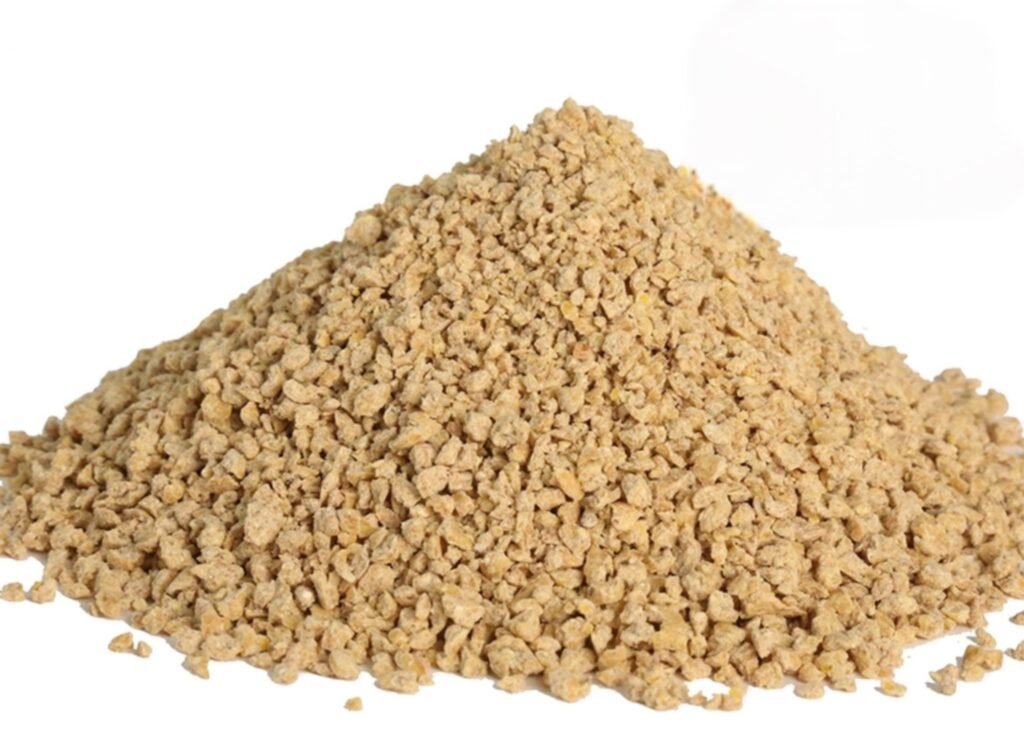
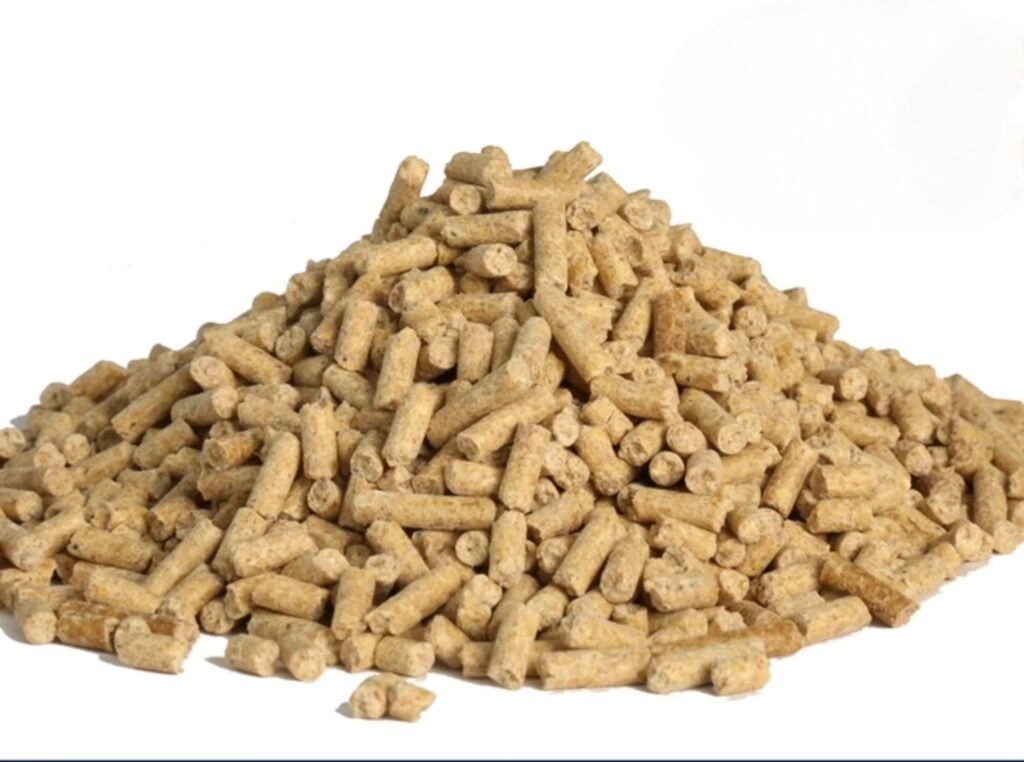
Commercial chicken feed usually comes in the form of pellets or crumbles. All the ingredients are ground together to, ensuring that each bite will have the proper nutrition. Chicken feeds come in stage appropriate formulas like chick feed, also known as starter feed and grower feed, then layer feed for adult hen laying eggs, and all flock feed, which has less calcium, making it suitable for roosters and other poultry (ducks, turkey, geese, etc.).
Nutritional Requirements for Baby Chicks
Baby chicks don’t need the same level of nutrition as the adults do. Baby chicks need more protein to aid in their growth and to grow their new feathers in. So, their feed has 18%-20% of protein, which is higher than most adult feeds. But since a baby chick is not laying eggs yet, they don’t need as much calcium as the adult hens do. In fact, feeding adult layer feed to baby chicks, with all that extra calcium, can cause damage to the chick’s kidneys, making them less efficient at metabolizing calcium when they become adults.
Baby chicks do well for the first couple of weeks eating only chick feed crumbles, but you can introduce them to some treats like fresh herbs. We started our first flock on some fresh parsley and cilantro after they were a week to 10 days old. Now, we have momma hens that raise the chicks. The mommas will take the chicks out to forage after the chicks are around 4-5 days old, sometimes on the third day.
Important note here: If you feed your chicks anything in addition to their chick feed, then they absolutely must have chick grit available for them to eat as well. This is because chickens don’t have teeth and cannot break down the food the way humans do. Instead, they eat grit, which is various kinds of tiny stones, to break down the food that they eat. You can buy bags of chick grit at most feed stores and online. There is chick grit for babies, and adult grit. The adult grit contains larger pieces which are not suitable for baby chicks.
Nutritional Requirements for Adult Hens
Adult layer feed is almost the opposite of what baby chicks need. Adult hens need less protein and more calcium. A good adult hen feed, often called layer feed, will have 3.5%-4.5% calcium, which is necessary to form strong eggshells. This is according to the National Library of Medicine.
Calcium is also important because it is needed for the hen’s muscle contractions to push the egg out. This is explained in Gail Damerow’s book “The Chicken Health Handbook”. It is very important for a laying hen to have sufficient calcium in her diet to keep up healthy egg production. It is very helpful to have oyster shells available for the hens to eat as they need. Although, lack of calcium is not the only thing that can cause a drop in egg production. I have an entire article on reduced egg production. If you want to learn more, click on my link here!
As for protein, an adult hen needs 16%-17% protein to maintain her health. She will need more in the fall and winter when she’s molting, a process where the chicken sheds the old feathers and new ones grow back in. It takes a lot of protein to grow feathers, so increasing the protein in their diet to 18%-20% will be a tremendous help. A sign that a hen needs more protein is when they start eating feathers. You might see them eat each other’s feathers, or eat the loose ones on the ground, or sometimes eat their own feathers. This is a sign that they are in need of extra protein. You can add more protein by feeding your chickens scrambled eggs, and by adding brewer’s yeast to their feed.
Roosters’ Diet
Roosters will require much less calcium than hens do. A rooster only needs 1% calcium to avoid kidney damage, and 15%-17% protein. It is recommended to feed an “all flock” or a “grower” feed to roosters, while providing oyster shells and/or limestone granules for the hens. Alternatively, you can separate the rooster at feeding time to make sure everyone is eating their appropriate diet.
Treats!
Chickens LOVE treats! And it’s fun to give them treats. They can eat fruits and vegetables, and fresh herbs. There are certain things to avoid feeding chickens, like citrus fruits, avocados, and onions to name a few. The general rule of thumb is to limit treats to 10% of their diet. This is to ensure that they get a balanced diet with all of the nutrition that they need.

Pingback: How To Store Chicken Eggs Correctly - Chickie-ChickieBees.com