
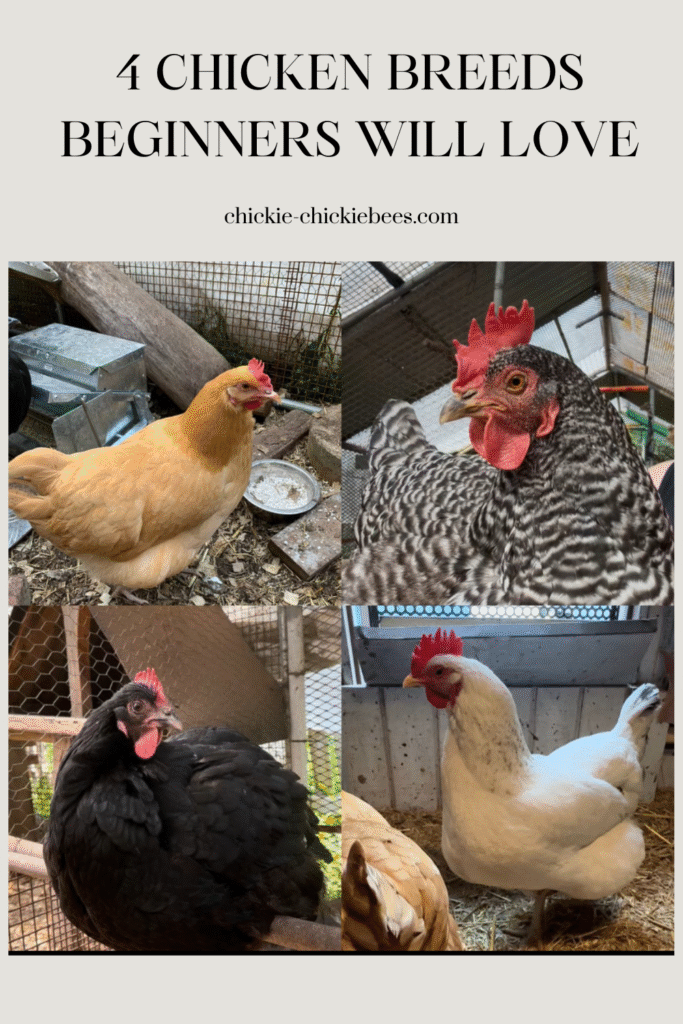
I would love to share 4 chicken breeds you will love, and why you will love them. This is probably the easiest topic I could talk about because of how much I love my flock! There are so many breeds of chickens to love, but there are 4 of them that made their way to the top of my list. We have a mixed flock with several different breeds. They are a well-established flock of adults and have done a great job maintaining order among themselves.
Breed compatibility can help maintain a healthy pecking order. Have you heard of the term “pecking order”? The pecking order is how a healthy flock maintains harmony. This order consists of a rank, or hierarchy. There is someone at the top of the pecking order who sets the “rules” for maintaining order. This one is usually the smartest chicken with the best instinct for survival. It can also be the strongest one, like a larger breed chicken living with the smaller breeds; or a rooster, which is by nature bigger and stronger. The rooster might not be smarter, but he is usually stronger physically, and more capable of gaining dominance. And generally, a larger breed dominating the flock due to size, is most likely going to be a bully, lacking the ability to keep order and peace. A bully creates tension and stress, leading to health issues.
But in my flock, all the girls are relatively the same size and weight. They have a wonderful harmonious relationship. It fascinates me to see a hen step in immediately to intervene to keep the peace in the flock.
Temperament of the breed can play a big part in keeping the peace. Some breeds are naturally aggressive and very dominant, which makes it hard to keep that breed together with some of the other more submissive breeds. Which is part of the reason that I’m able to brag about how wonderful my flock is! I have breeds with similar temperaments. So let me tell you which 4 breeds you’ll love and why!
Buff Orpington
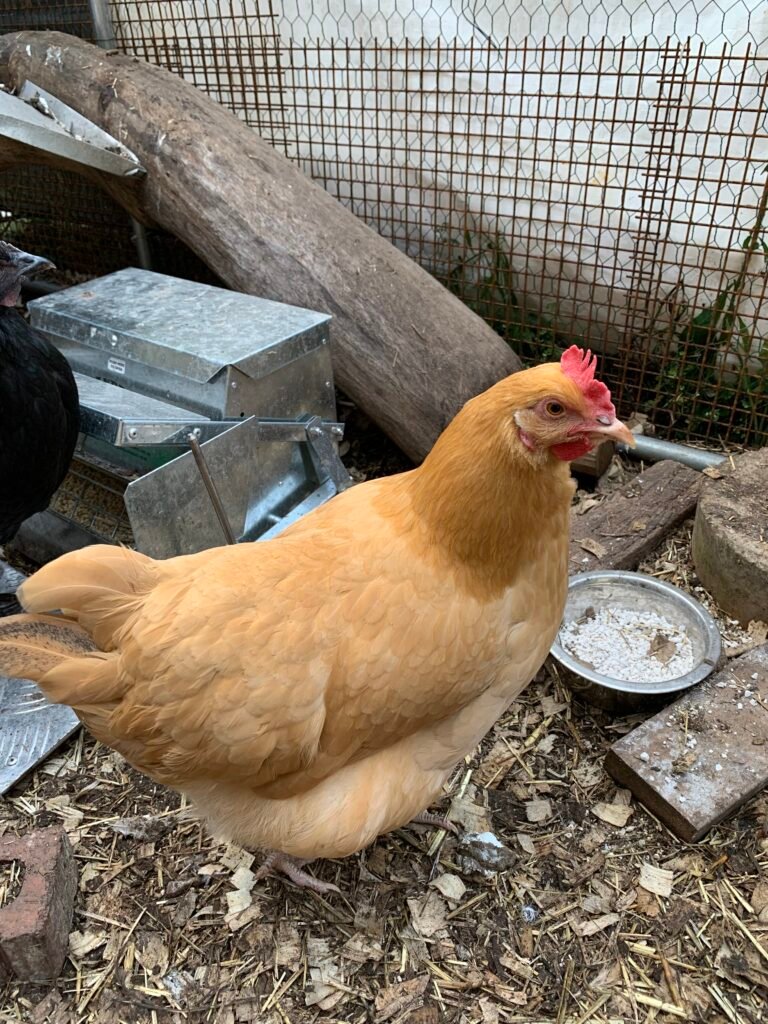
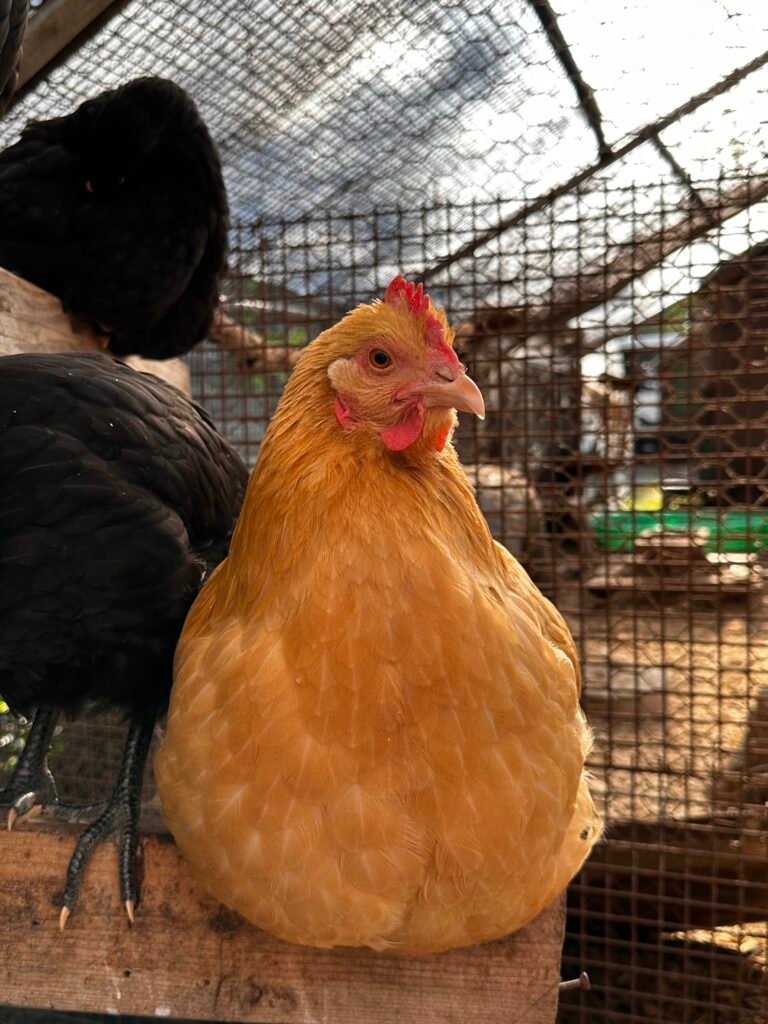
The Buff Orpington is one of, or perhaps my most favorite one. This breed is like the lapdog of the chicken world. They are super sociable and very friendly. They are not skittish and do enjoy spending time with their human flock mates. My Buff Orpington talks to me the whole time I’m out there filling the feeders and cleaning the coop. She talks back when I talk to her and loves to sit on my lap.
Since their temperaments is docile and friendly sometimes Buff Orpingtons can end up at the bottom of the pecking order because of their lack of assertiveness. But every chicken has their own personality. My Orpington is the top of the pecking order due to her very strong, assertive personality, and her unwillingness to let anyone insult her. I have seen her pursue a flock mate all day until she feels she has gotten her point across. She’s not a bully, but certainly not a push-over.
Buff Orpingtons are heritage dual-purpose breeds, and good egg layers, laying up to 200-280 light brown eggs per year. Those bred specifically for egg production will lay on the higher end. But Orpingtons bred for their standard will lay fewer eggs. Some have a tendency to go broody, and the ones that do are typically very good mothers when raising their chicks.
Quick Stats:
Eggs: 200-280 Large light brown
Temperament: Sociable, calm, enjoys flock and human companionship
Weather tolerance: Cold and warm tolerant. Supplemental cooling in summer will help due to thick plumage
Heritage breed: Yes
Beginner friendly: Yes
Barred Plymouth Rock
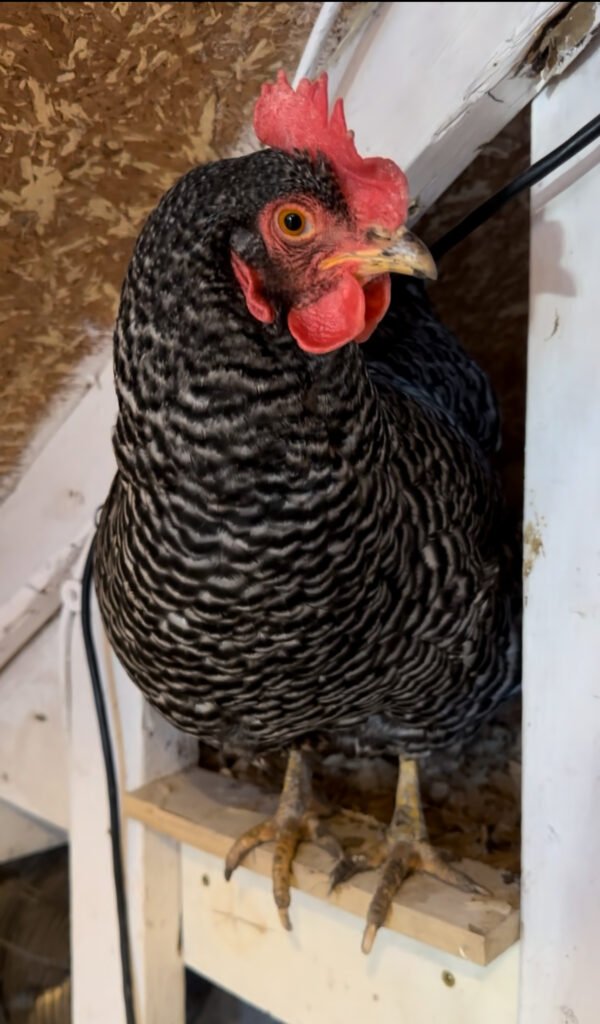
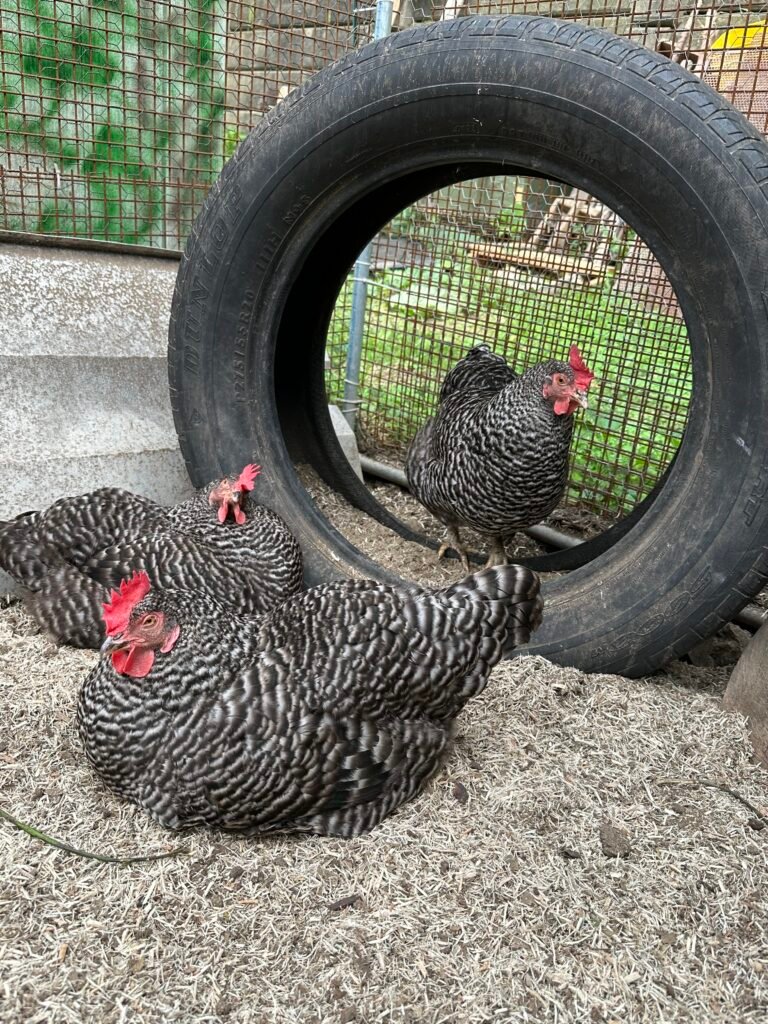
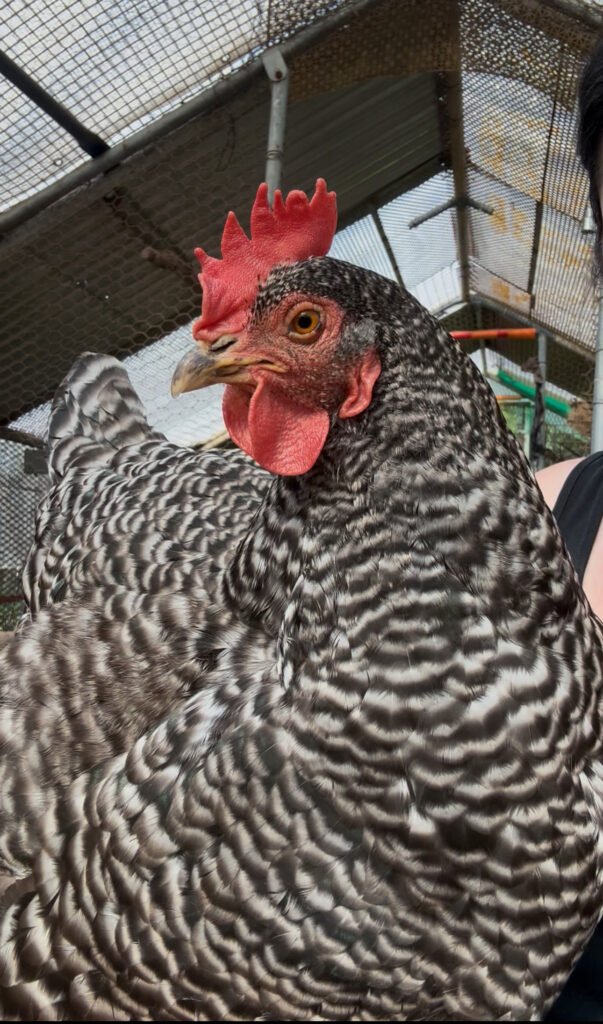
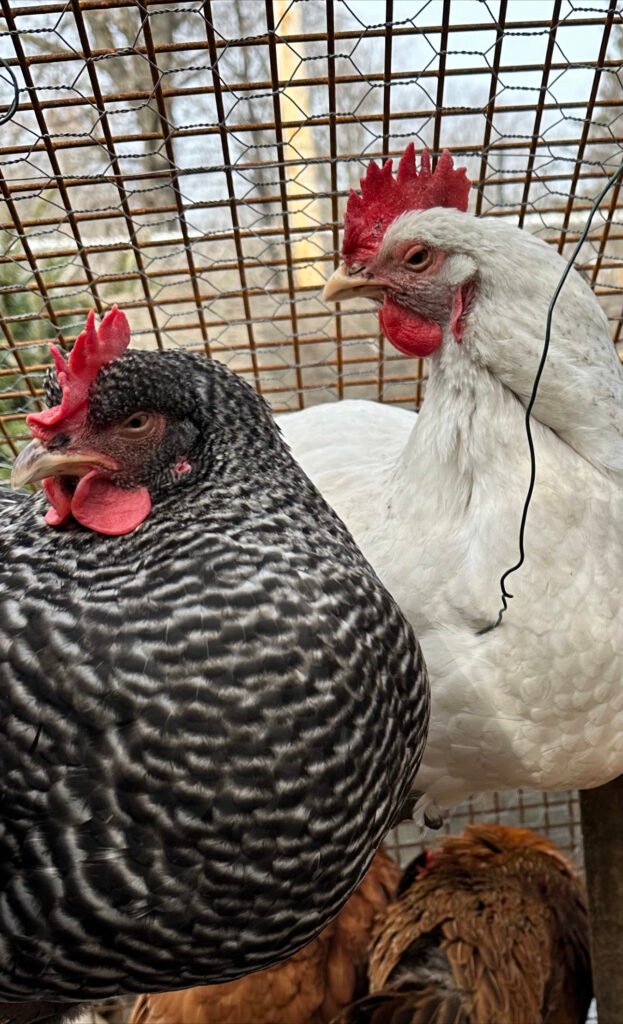
The Plymouth Rock, also known as barred rock, is a heritage breed that lays around 250 light-brown to pink colored eggs. All 3 of mine lay pink eggs. I love that they are winter hardy and still do well in the summer months too. They’re a great breed for beginners because they won’t fight much, even though they’re good at enforcing rules and keeping order. And they stand up to anyone squabbling and disturbing the pecking order. My Plymouth Rocks are sociable with their flock mates and even help groom each other. They are very friendly with their human companions as well. Their personality is a calm and assertive one, but not mean. I have never seen one bully another hen or a baby chick. Instead, they make their statement and walk away. Their confident demeanor makes them fun to have around because they’re not skittish at all when I come to do my cleaning and upkeep.
Quick Stats:
Eggs: Apprx 250 light-brown to pink colored eggs
Temperament: Sociable, calm, although sometimes dominant, and very friendly; enjoys flock and human companionship
Weather tolerance: Cold and warm tolerant. Supplemental cooling in summer will help due to thick plumage
Heritage breed: Yes
Beginner friendly: Yes
Black Australorp
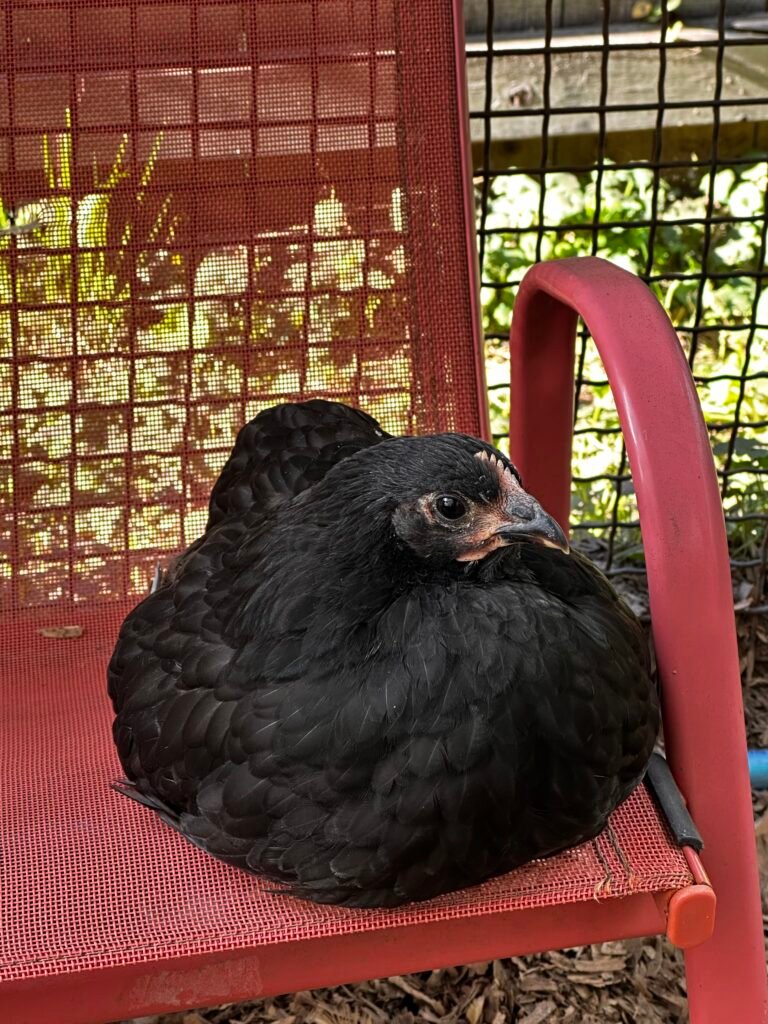
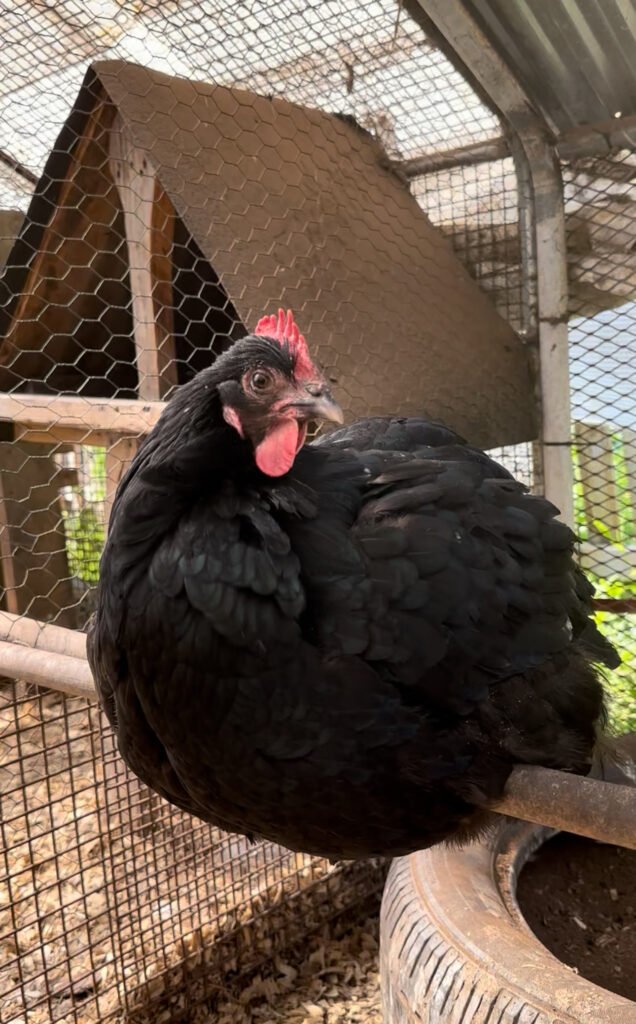
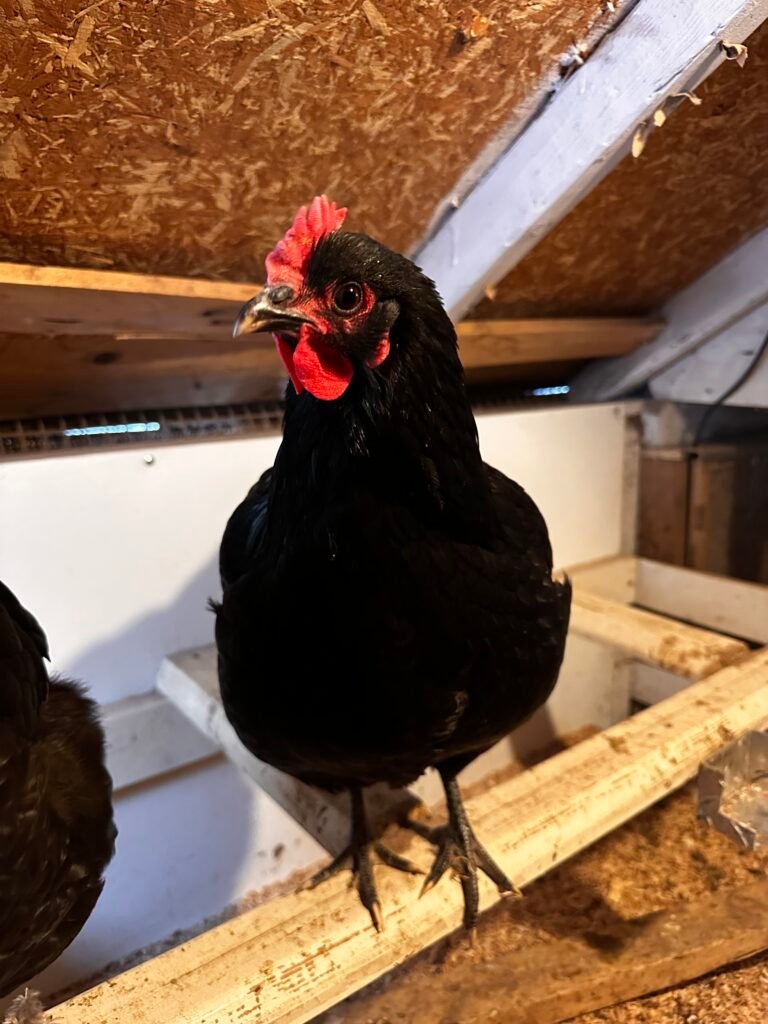
Black Australorps are extremely sweet and sociable chickens. They too enjoy cuddles in the lap of their human companions. They are overwhelmingly docile, loving, and inquisitive. The have beautiful black feathers with a gorgeous green and dark blue shine in the sunlight. They are very winter hardy. But due to their thick black plumage they do need help in the summer months. Keeping a powerful fan on and providing some shade goes a long way in helping them get through the hot summer months. One of my favorite things to add about the Australorp, is that they have always been my only brown-eyed breed. They are also very quiet, good foragers, help to keep the insect population under control and tolerate confinement well.
We now have five and I honestly can’t find a flaw in any of them. Our first Australorp is so darling that I didn’t mind getting 4 more. She is an egg laying superstar. Australorps lay about 260 eggs per year. Mine takes a break during the winter months with the days being shorter. But she makes up for it throughout the rest of the year.
Quick Stats:
Eggs: Apprx 260 Large light-brown to cream colored eggs
Temperament: Sociable, calm, very friendly; enjoys flock and human companionship
Weather tolerance: Cold and warm tolerant. Supplemental cooling (fan, shaded area, etc.) in summer is a must due to dark, thick plumage
Heritage breed: Yes
Beginner friendly: Yes
Delaware
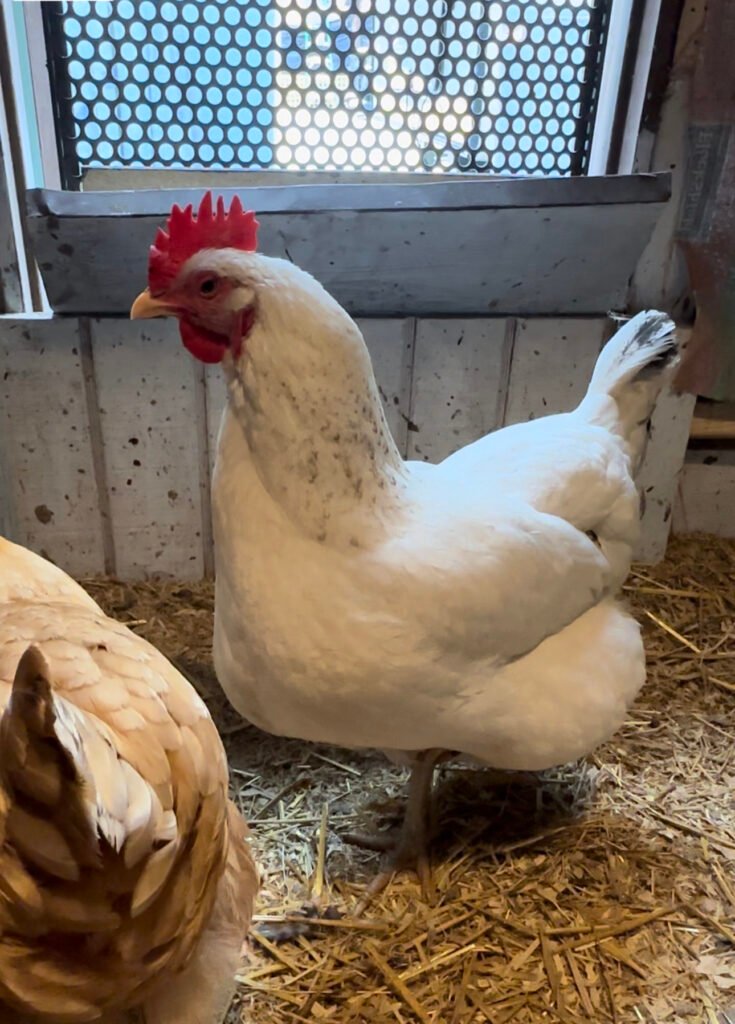
The Delaware originated in the 1940’s when George Ellis of Delaware, Ohio started crossing Barred Plymouth Rocks with the New Hampshire Reds. He wanted to create a hearty dual-purpose breed, with white plumage and black barring. The barred pattern in the black coloring of the neck feathers is what distinguishes the Delaware from the Light Sussex (who has the solid black Columbian pattern). I mention this because at a glance these two breeds look the same, but they’re not. Delawares are smart, calm, and friendly. Although they are not usually “cuddly”, they will follow you around and chat with you. My Delaware never leaves my side, and loves to groom me when I sit down to spend time with her.
What makes them so nice to have is that they do well in confinement as well as free ranging, so long as they have something to do. They are not aggressive enough to be bullies, but they are assertive enough to avoid being bullied. They are also predator-savvy, keeping a constant eye out for danger, and will fight back if attacked. Delawares do very well in warm climates. If you are in the northern cold climates, they will benefit from supplemental warmth during the frigid winter months. A windbreak/indoor shelter helps. Their coop should be draft free. And a brooder plate will be well appreciated by the Delaware due to their plumage being thinner.
Interesting fact: Delawares were originally bred for their meat. But the Cornish Cross eventually became the new favorite, causing the Delaware breed to almost become extinct. They were listed by the American Livestock Breeds Conservancy as an “endangered breed” early in the twenty first century. A breed census in 2015 found a total population of 4692 birds. (Dadis). But as of 2024 they have been upgraded to a “recovering” breed status.
Quick Stats:
Eggs: Apprx 200 light-brown to pink colored eggs
Temperament: Smart, calm, chatty and friendly, enjoys flock and human companionship. They are easy to integrate into a flock
Weather tolerance: Cold and warm tolerant. Supplemental warmth such as a brooder plate will help due to thinner plumage
Heritage breed: Yes
Beginner friendly: Yes
References
Dadis. (n.d.). https://dadis-breed-datasheet-ws.firebaseapp.com/?country=USA&specie=Chicken&breed=Delaware&external=1&lang=en

Very nice and informative! Thanks.
Very informative. Knew nothing about these chickens.
Thank you for visiting my site. Hope to see you again!